

Why Hospitality Flash Sales Fail in CX (And How to Fix It)
Flash sales drive instant revenue, but most fail on the contact center floor. Learn how hospitality leaders scale operations, protect agent experience, and prevent dropped bookings during promo spikes.
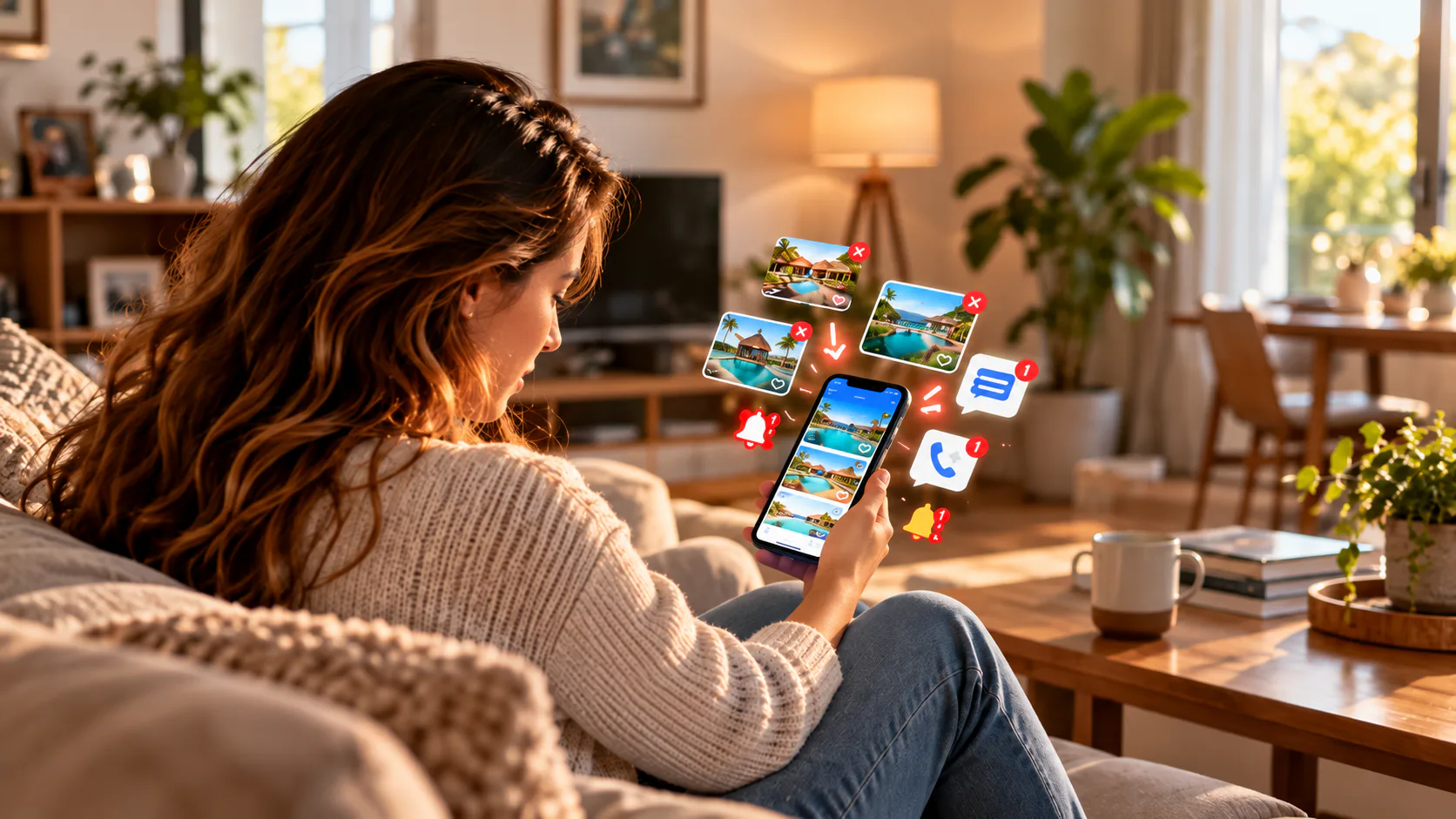
The marketing dashboard looks incredible. Click-through rates are through the roof, open rates just hit a record high, and the latest 48-hour flash sale is driving thousands of eager travelers to your booking engine.
Then the phone rings. And rings. And rings.
Within twenty minutes of the campaign launch, your contact center queue overflows. Hold times jump from 45 seconds to 35 minutes. Frustrated guests abandon their calls—and their carts—while agents scramble to interpret fine-print promotional rules they were briefed on just hours earlier.
On paper, marketing pulled off a massive win. In reality, the campaign is failing on the contact center floor.
For travel and hospitality brands, promotional spikes—from Black Friday room drops to exclusive loyalty campaigns—are non-negotiable revenue engines. Yet, when CX operations aren’t built for sudden elasticity, your highest-margin campaign quickly turns into a costly exercise in guest friction and brand erosion.
The Anatomy of a Promotional Breakdown
Why do standard operational models fall apart during a promotional surge? It comes down to a fundamental mismatch between seasonal planning and promotional volatility.
Standard seasonal spikes (like summer vacations or winter holidays) build up gradually. You can forecast headcount, recruit, and train months in advance. Promotional surges, by contrast, behave like sudden operational shocks:
- Zero Ramp-Up Time: A flash sale generates an immediate, steep curve in inquiry volume within minutes of deployment.
- Extreme Inquiry Complexity: Guests aren’t calling for routine check-in details. They are asking why a promo code failed at checkout, whether blackout dates apply to suite upgrades, or how to combine loyalty points with flash discounts.
- High Abandonment Sensitivity: A guest trying to lock in a limited-time hotel deal will not sit on hold for half an hour. They will simply close the tab or book with a competitor.
When a contact center is unprepared, the result isn’t just lost short-term revenue—it is severe agent burnout, elevated handle times, and lasting damage to guest loyalty.
The Myth of “Throwing Headcount at the Problem”
Traditional BPO strategies address volume spikes with a blunt instrument: adding more agents. But in high-stakes hospitality campaigns, this approach consistently fails.
Hiring temporary, minimally trained agents for a three-day promotional push creates more friction than it solves. Agents unfamiliar with your property management systems (PMS) or complex campaign T&Cs take twice as long to handle inquiries, make costly booking errors, and pass their frustration directly to your guests.
Fixing promotional CX failure doesn’t require more people; it requires operational agility and strategic alignment.
The Fix: How Strategic Hospitality Brands Master Campaign Surges
1. Bridge the Marketing-Operations Divide
The root cause of most promotional failures is siloed execution. Marketing designs the campaign in a vacuum; CX operations absorbs the shock waves.
Leading hospitality brands integrate contact center leadership directly into campaign planning. Operational teams review promotional terms, identify potential customer confusion points, and build agent workflows weeks before marketing hits “send.”
2. Deploy Instant Knowledge Systems (Not 10-Page PDFs)
During a promotional rush, an agent cannot spend three minutes reading a lengthy PDF to verify whether breakfast is included in a flash-sale rate.
Operations must deploy clear, single-pane-of-glass cheat sheets directly inside the desktop interface. When campaign rules, blackout calendars, and exception-handling guidelines are centralized and searchable in real time, Average Handle Time (AHT) drops drastically without sacrificing service quality.
3. Engineer Dynamic Channel Deflection
Not every campaign inquiry requires a ten-minute phone conversation. Simple, repetitive promotional questions (“Is this offer refundable?”) should be systematically routed to high-touch digital channels like WhatsApp, SMS, or live web chat.
Deflecting transactional inquiries to digital messaging allows single agents to manage multiple concurrent chats, keeping phone queues clear for high-value, complex booking calls that require human persuasion.
4. Protect Frontline Agent Capacity
Operational resilience relies entirely on the frontline experience. When volume spikes, agents face continuous high-stress interactions. Equip supervisors with clear escalation paths, real-time workload redistribution tools, and pre-scripted de-escalation protocols so agents remain empowered and empathetic under pressure.
Turning Promotional Surges into Long-Term Loyalty
Your promotional campaigns should be your strongest revenue drivers—not your biggest operational liability. The brands that win don’t compromise between marketing velocity and customer experience; they align both around flexible, well-prepared operations.
That is where Wepartner makes the difference.
At Wepartner, we specialize in high-touch, highly adaptive BPO solutions built for the unique rhythms of the travel and hospitality industry. We don’t just provide seats; we deliver the operational framework, elastic scaling capabilities, and consultative guidance needed to turn high-volume promotional surges into seamless guest conversions.
Don’t let your next major campaign break your contact center floor. Reach out to Wepartner today to discover how our agile CX solutions protect your brand, support your agents, and maximize campaign ROI.